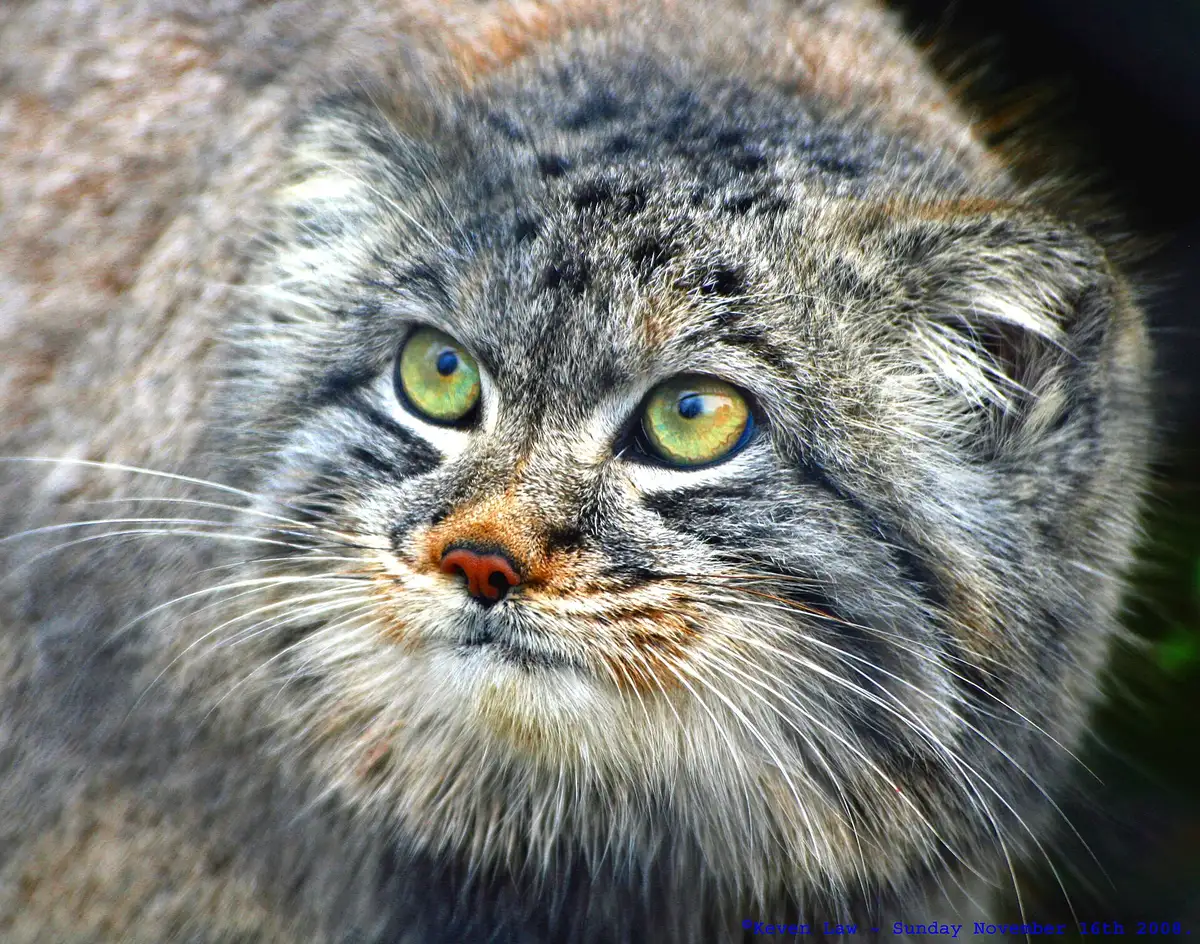
Pallas's cats are obligate carnivores whose diet revolves around small mammals. Across most of their range, pikas — small, vocal relatives of rabbits — and various rodents such as voles, gerbils, and ground squirrels make up the bulk of what they eat. The cat supplements this with ground-nesting birds, fledglings, and large insects, particularly during the warmer months when such prey is abundant.
Because the manul is a poor runner, it does not chase prey across open ground. Instead it hunts by ambush and stalking: creeping low between rocks and tufts of grass, freezing when prey looks up, and closing the final distance in a short rush. It will also wait motionless outside a burrow or pika colony, relying on concealment and timing rather than speed to make a kill.
On the menu
Pikas
Small, rabbit-like lagomorphs that form the dietary cornerstone across much of the manul's range.
Voles & gerbils
Abundant small rodents taken year-round; their local cycles strongly influence manul numbers.
Ground squirrels & marmots
Larger rodents, including young marmots, taken when available — their burrows also double as dens.
Birds & insects
Ground-dwelling birds, fledglings, and large insects supplement the diet, especially in summer.
A specialist's risk
The manul's reliance on pikas and small rodents links its fortunes directly to those populations. In regions where pikas are poisoned as agricultural pests, the cat loses both a food source and, indirectly, the burrow systems it depends on for shelter. This makes seemingly distant land-management decisions a real threat to local manul survival.
Seasonality shapes the hunt as well. In the long, lean winter, prey is scarcer and the cat must range farther and hunt more by day. The thick winter coat that keeps it warm also lets it stay out and active in conditions that would defeat a less well-insulated predator.