Quick reference
The manul at a glance
Everything you need in one place — taxonomy, measurements, and the fast facts behind the steppe's most secretive cat.
Vital statistics
- Scientific name
- Otocolobus manul
- Common names
- Pallas's cat, manul, steppe cat
- Weight
- 2.5 – 4.5 kg
- Body length
- 46 – 65 cm
- Tail length
- 21 – 31 cm
- Lifespan (wild)
- ~6 years
- Lifespan (captivity)
- up to 12 years
- IUCN status
- Least Concern (declining)
- Elevation range
- up to 5,000+ m
- Active period
- Crepuscular
Classification
- Kingdom
- Animalia
- Class
- Mammalia
- Order
- Carnivora
- Family
- Felidae
- Subfamily
- Felinae
- Genus
- Otocolobus
- Species
- O. manul
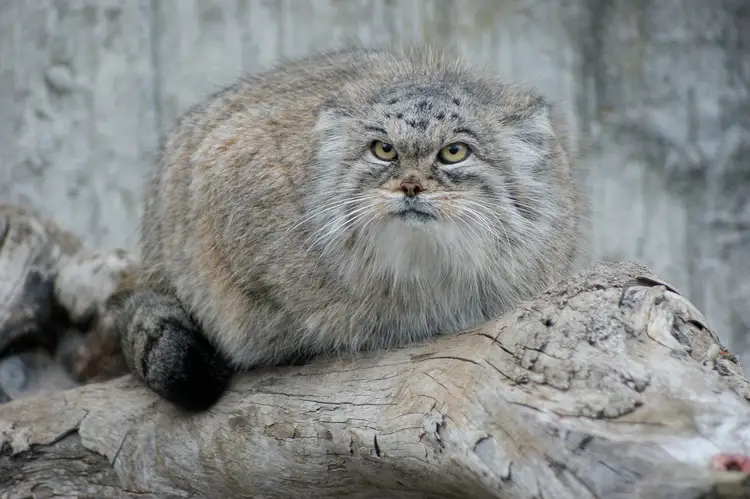
Did you know?
The manul is the only living species in the genus Otocolobus.
It has round pupils, unlike the vertical slits of most small cats.
Its low-set ears let it peer over rocks while staying hidden.
It cannot run fast — survival depends on camouflage and stillness.
It has been recorded living above 5,000 meters in elevation.
Its fur is the densest of any cat relative to body size.
Continue exploring
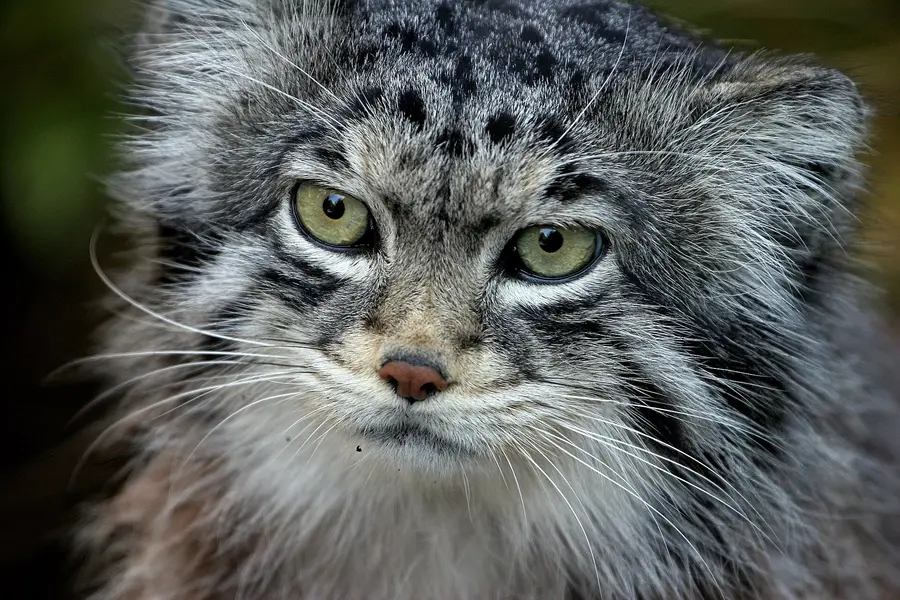
Species Overview
Taxonomy, anatomy, and the unmistakable features that make the manul one of the world's most distinctive small cats.
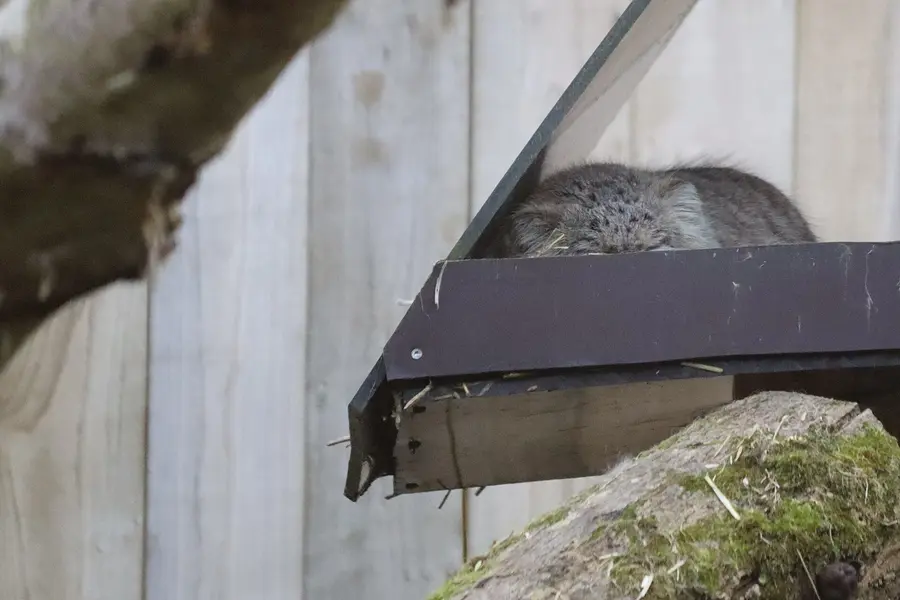
Habitat & Range
The cold steppes, rocky outcrops, and high plateaus of Central Asia where Pallas's cats make their home.
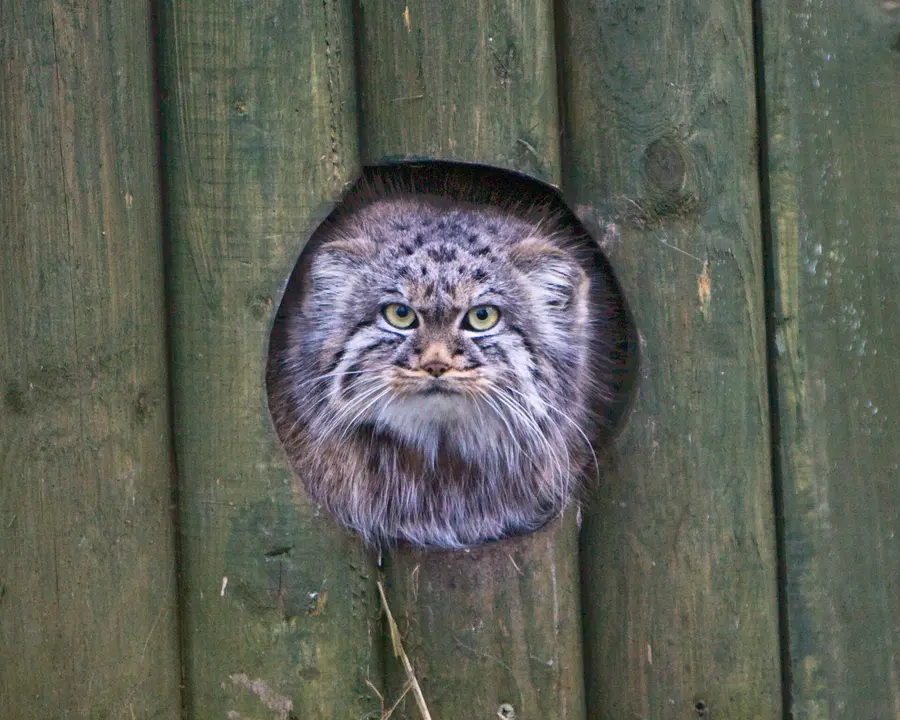
Behavior
Solitary, secretive, and superbly camouflaged — how the manul hunts, hides, and survives.
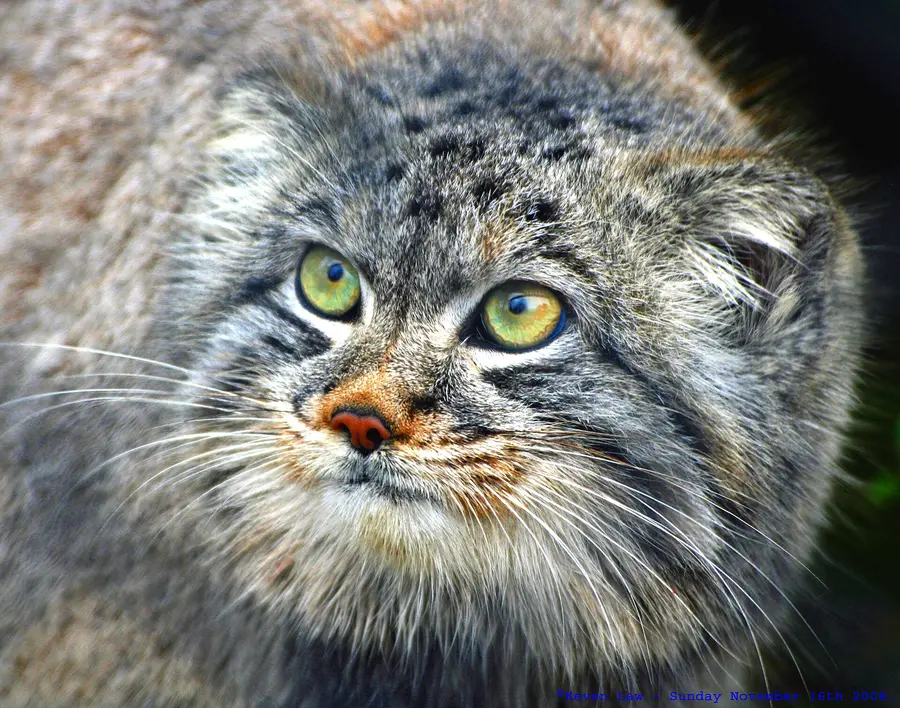
Diet & Hunting
Pikas, voles, and small birds: the ambush predator's menu and stalking strategy.
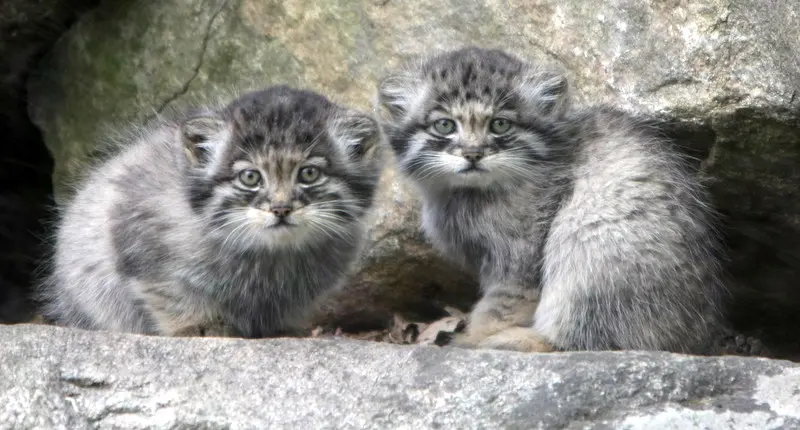
Reproduction & Lifespan
A brief breeding season, vulnerable kittens, and the challenges of growing up on the steppe.
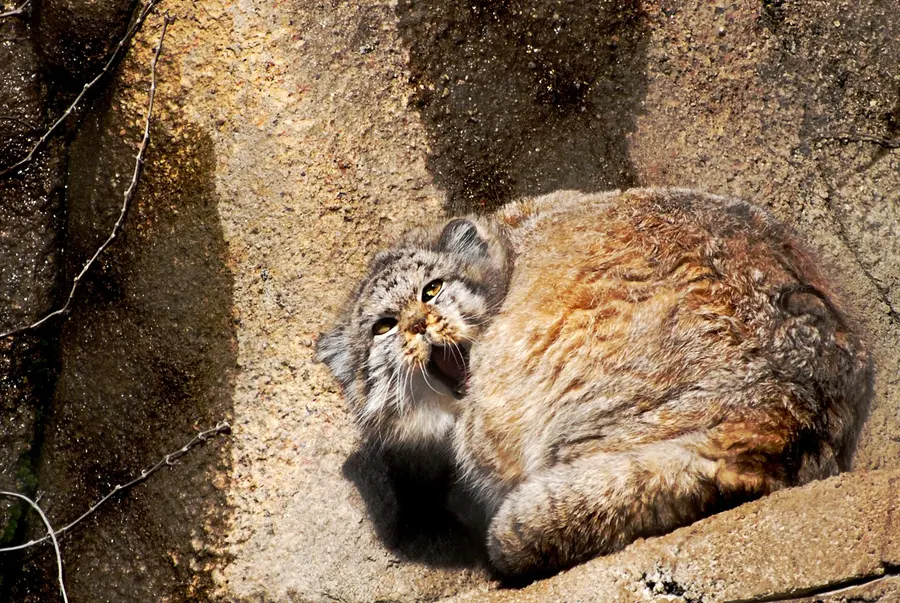
Conservation
Threats, protections, and the global effort to safeguard a famously hard-to-study cat.