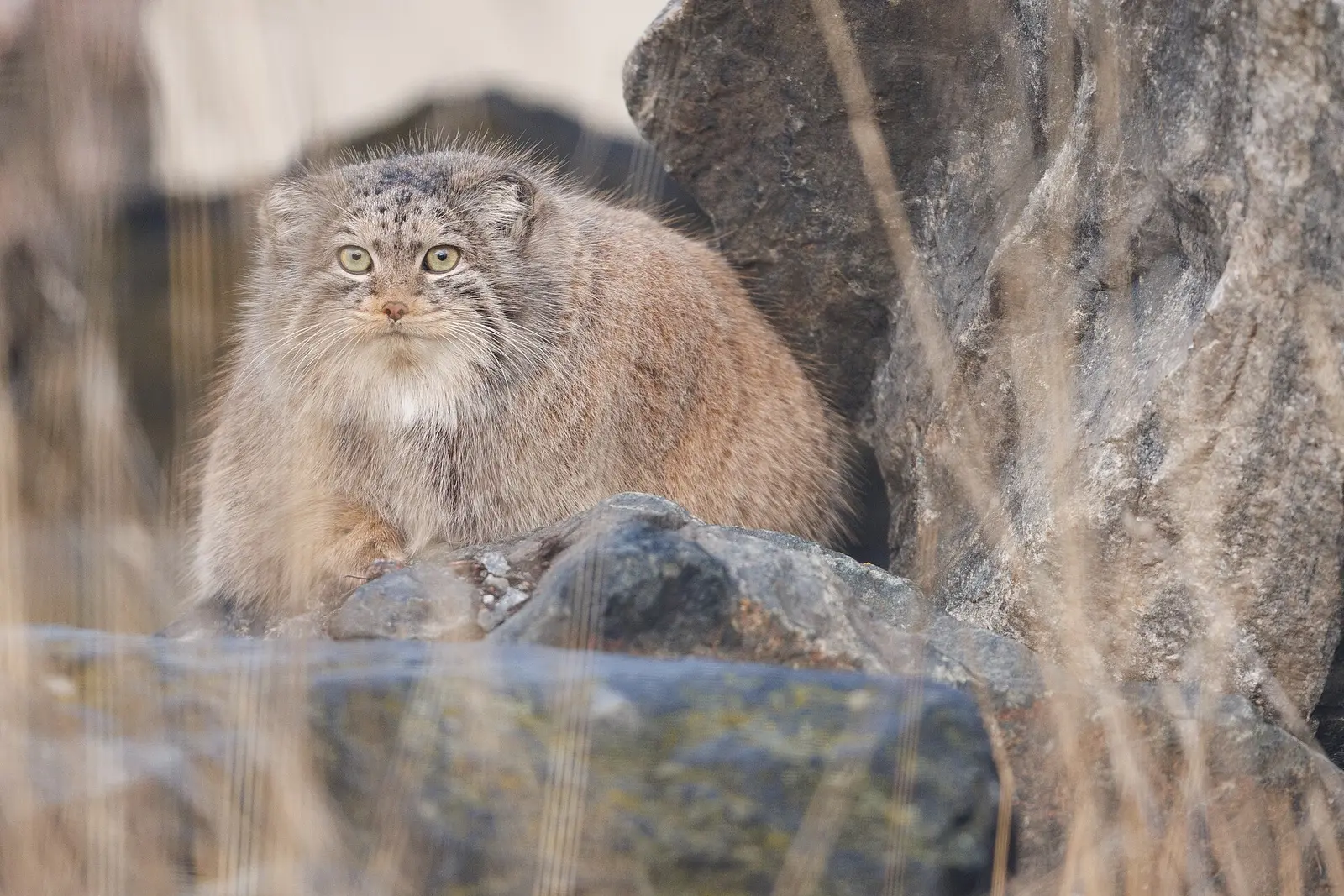
Otocolobus manul · The Steppe Ghost
The Pallas's Cat
Small, secretive, and superbly adapted to one of Earth's harshest landscapes. Explore the biology, behavior, and survival of the most expressive wild cat of the Central Asian steppe.
A cat built for cold, stone, and silence
The Pallas's cat — also called the manul — is a small wild felid roughly the size of a domestic cat, yet it looks far larger thanks to an extraordinarily dense, stocky coat. It ranges across the cold grasslands, semi-deserts, and rocky highlands of Central Asia, from the Caspian Sea to Mongolia and China.
Almost everything about the manul is an adaptation to its unforgiving home: low-set ears that keep its profile hidden while peering over rocks, flattened facial features, round pupils unusual among small cats, and the thickest fur of any cat relative to its size. This atlas brings together the species across eight illustrated chapters.
At a glance
Quick facts
- Scientific name
- Otocolobus manul
- Common names
- Pallas's cat, manul, steppe cat
- Weight
- 2.5 – 4.5 kg
- Body length
- 46 – 65 cm
- Tail length
- 21 – 31 cm
- Lifespan (wild)
- ~6 years
- Lifespan (captivity)
- up to 12 years
- IUCN status
- Least Concern (declining)
- Elevation range
- up to 5,000+ m
- Active period
- Crepuscular
Browse by topic
Eight chapters on the manul
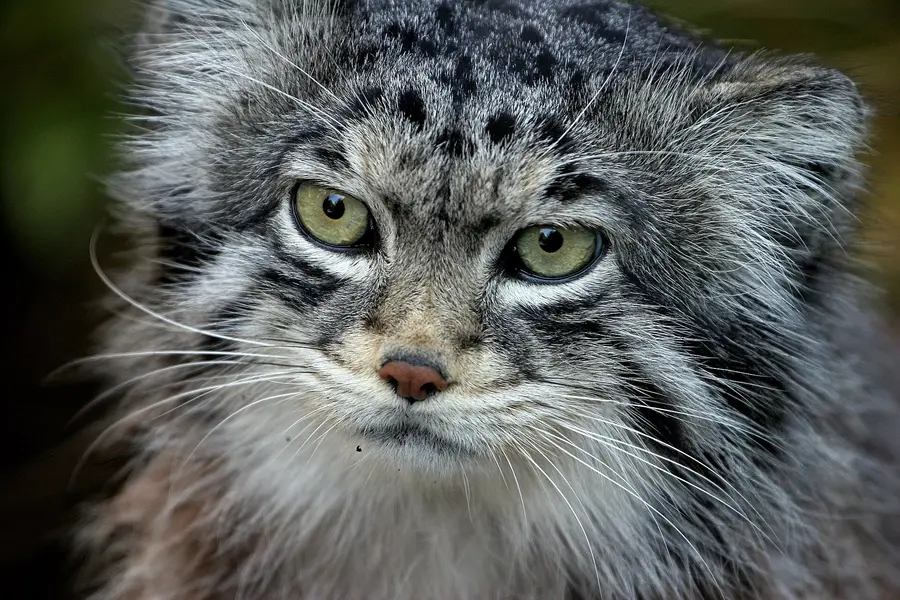
Species Overview
Taxonomy, anatomy, and the unmistakable features that make the manul one of the world's most distinctive small cats.
Read chapter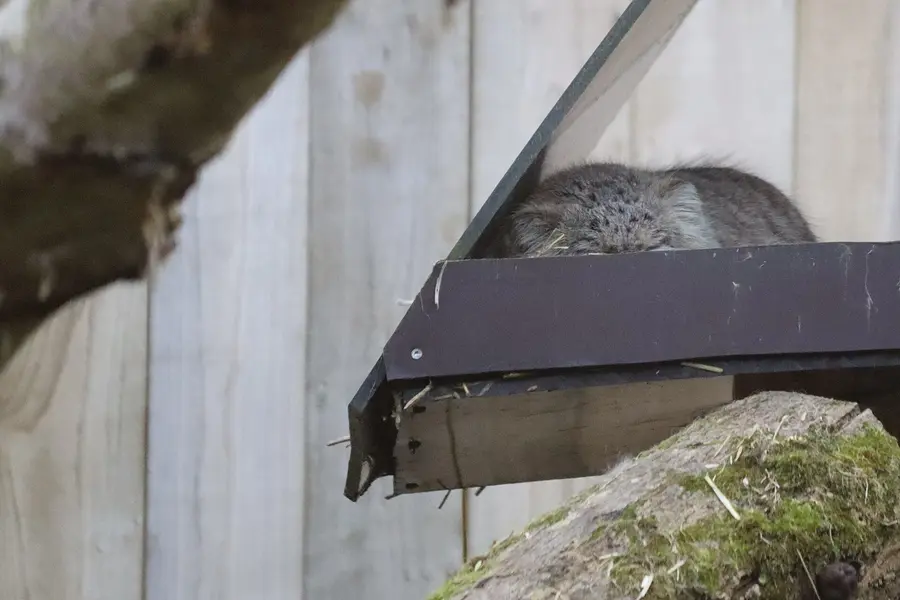
Habitat & Range
The cold steppes, rocky outcrops, and high plateaus of Central Asia where Pallas's cats make their home.
Read chapter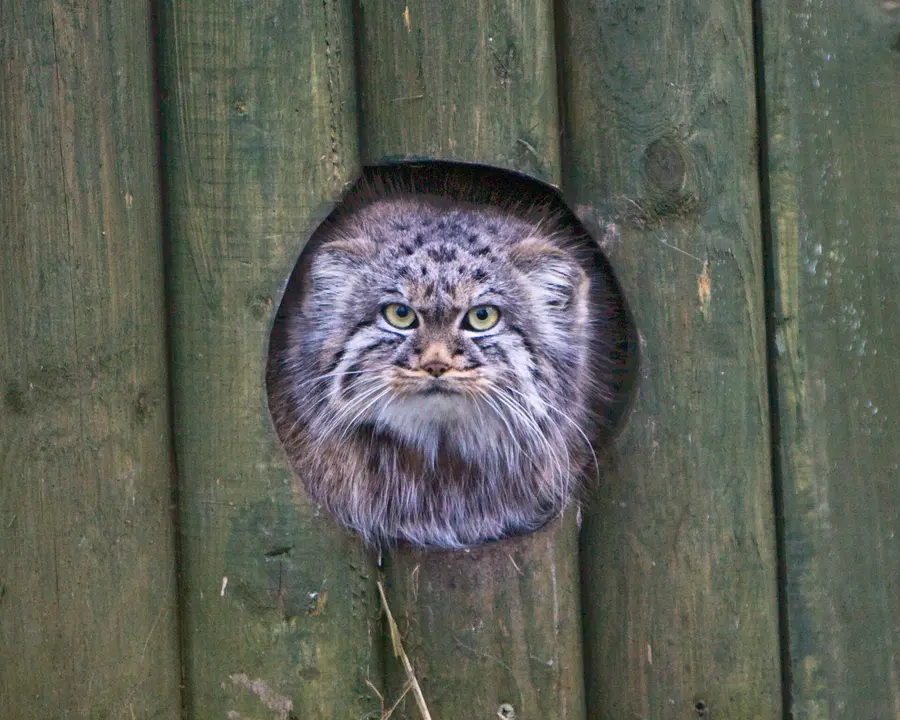
Behavior
Solitary, secretive, and superbly camouflaged — how the manul hunts, hides, and survives.
Read chapter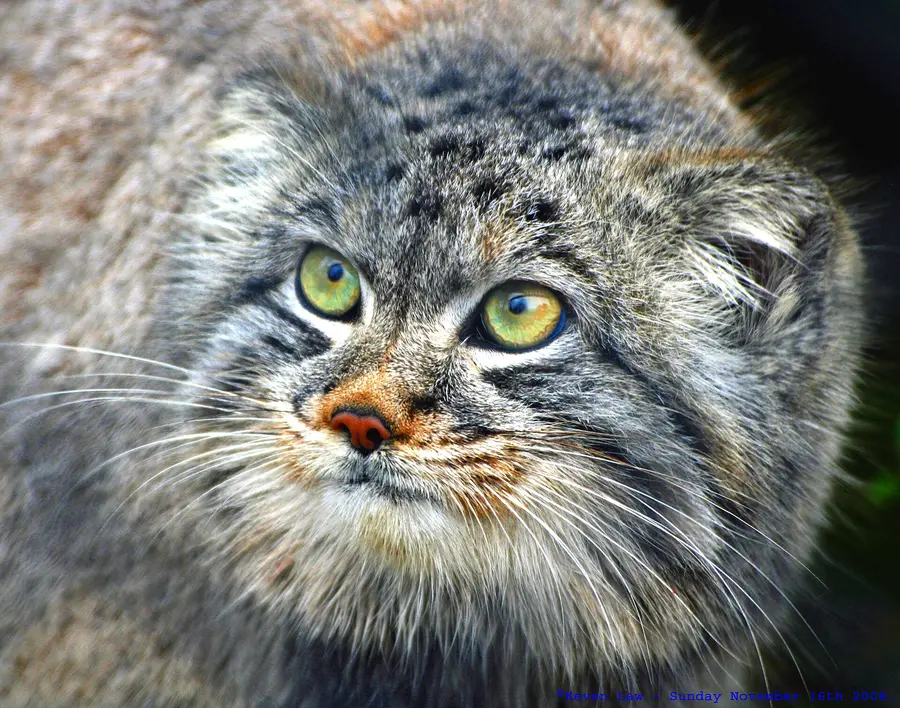
Diet & Hunting
Pikas, voles, and small birds: the ambush predator's menu and stalking strategy.
Read chapter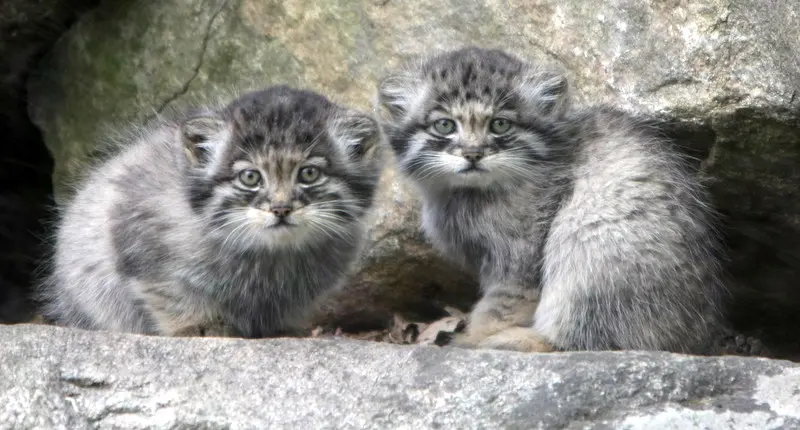
Reproduction & Lifespan
A brief breeding season, vulnerable kittens, and the challenges of growing up on the steppe.
Read chapter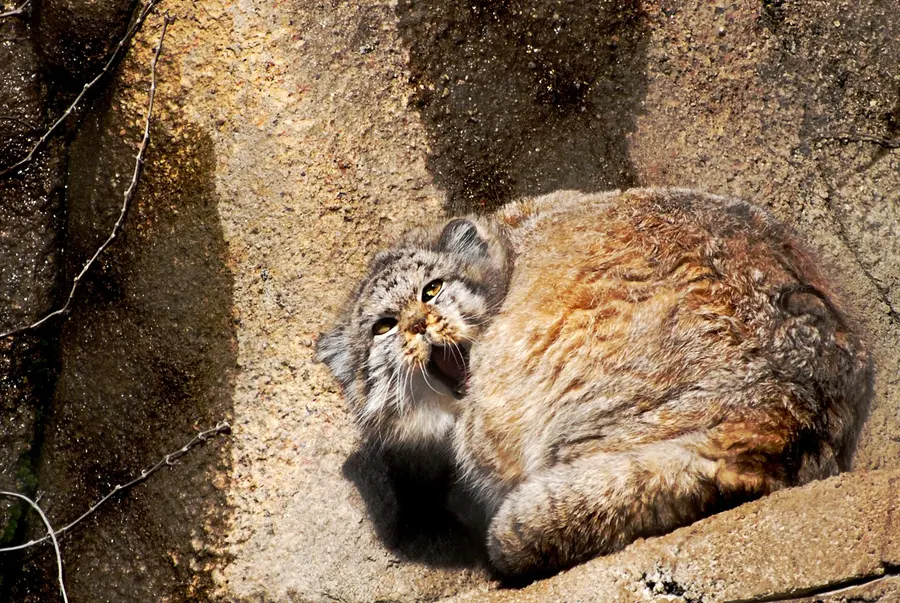
Conservation
Threats, protections, and the global effort to safeguard a famously hard-to-study cat.
Read chapter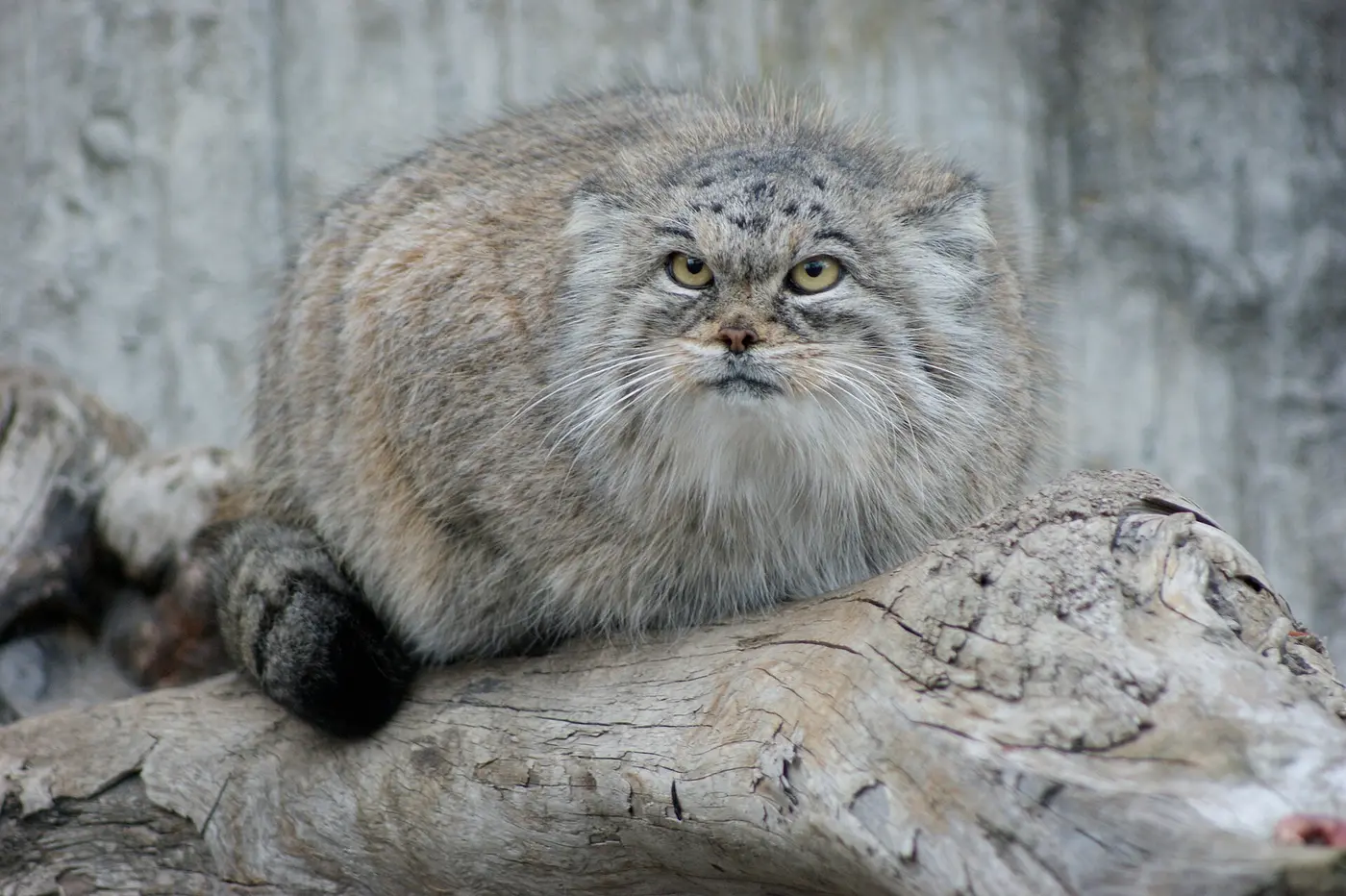
"Unlike most small cats, the manul has round pupils — a quiet clue to a life lived in low, even steppe light."
Selected imagery